
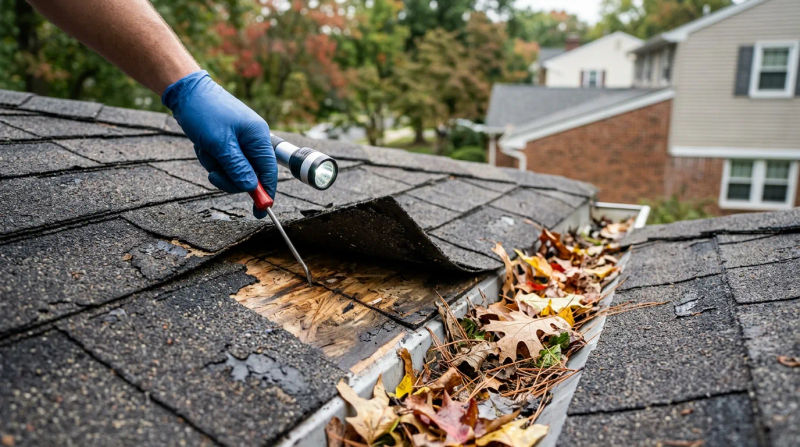
As a homeowner in Piscataway, you know the signs of autumn well: the crisp air, the changing leaves, and the inevitable task of raking them. As you clean out your gutters this September, you might notice an unusual amount of gritty, sand-like material washing out. Or perhaps you look up at your roof and see leaves piling up in the corners and valleys. These may seem like minor seasonal annoyances, but from my 15 years of experience, I can tell you they are often the first quiet warnings of bigger problems to come, especially with New Jersey’s harsh winters on the horizon.
The transition from late summer's humidity to fall's rain can mask small issues that rapidly worsen once the first freeze arrives. A proactive fall roof inspection is one of the most important maintenance tasks you can perform to protect your home and prevent costly emergency repairs down the road.
Common Signs and Symptoms
From the ground or a safely positioned ladder, you can spot many potential roofing issues. Our technicians are trained to look for these specific indicators during every inspection, and you can too. Here are nine key warning signs to look for this autumn:
- Gutters Filled with Debris and Granules: Your gutters are a tell-tale sign of your roof's health. While leaves and twigs are expected, pay close attention to what else is in there. A significant accumulation of dark, gritty material is a classic sign of roof shingle granule loss.
- Clogged Roof Valleys: Valleys are the channels where different roof planes meet. They are critical for directing water off your roof. When they become clogged with leaves and debris, you have a recipe for water backup. This is especially true for the complex, multi-gabled rooflines common on homes built in the 1990s and 2000s throughout the Piscataway area.
- Curling, Clawing, or Lifted Shingles: Look at the edges of your shingles. Are they lying flat, or are the corners turning up (curling) or the middle lifting (clawing)? Shingles that are lifted or have broken sealant are vulnerable to being torn off by wind.
- Dark Streaks or Algae Growth: Those dark, vertical streaks you see on many roofs are typically a type of algae called Gloeocapsa magma. While mostly a cosmetic issue, it can indicate that moisture is lingering on the roof surface.
- Cracked or Missing Caulk: Check the flashing - the metal pieces that seal the seams around chimneys, skylights, and vents. The sealant or caulk used to waterproof these areas can dry out, shrink, and crack over time, creating a direct path for water.
- Buckling or Wavy Spots: If you look along the horizontal lines of your shingles and see distinct wavy or distorted patterns, it can indicate movement or moisture issues with the underlying roof deck.
- Damaged Vent Boots: Most roofs have pipes or vents protruding for plumbing. These are sealed with a flexible boot. Over time, UV rays and weather can cause these boots to crack or disintegrate, creating a common source for leaks.
- Interior Ceiling Stains: The most obvious sign of a problem is often the last to appear. A water stain on your ceiling or wall means a leak has been active for some time, has saturated the insulation, and is now damaging your drywall. Don't ignore it.
- Moss Growth: Moss, especially on north-facing roof surfaces that see less sun, holds moisture against your shingles. This constant dampness can accelerate wear and, in freezing temperatures, can cause significant damage to the shingles themselves.
What Causes This Problem
Understanding why these symptoms appear is key to preventing them. Most roof issues are caused by a combination of age, weather, and debris.
- Age and UV Exposure: Your roof is constantly exposed to the elements. The sun's ultraviolet rays are the primary cause of roof shingle granule loss. These granules protect the asphalt core of the shingle from damage. As they wear away, the shingle becomes brittle and less effective. This also leads to the curling and cracking you might see.
- Debris and Water Damming: This is where clogged roof valleys fall become a major threat. When leaves and pine needles pile up in valleys, they act like a dam. Rainwater can't drain properly, so it backs up, flowing sideways under your shingles. This trapped moisture can rot the roof decking and seep into your home. The complex roof designs of many modern suburban homes, while aesthetically pleasing, create more of these potential problem areas.
- The Freeze-Thaw Cycle: This is the most significant threat we face in our climate and the main driver of freeze thaw roof damage NJ. Here’s how it works: water from a clogged gutter or a tiny crack in a shingle seeps into a small opening. As temperatures drop below freezing overnight, that water turns to ice and expands, forcing the crack to become slightly larger. When it thaws, more water enters the now-bigger crack. This cycle repeats, turning tiny, invisible flaws into major leaks over the course of a single winter. This process can destroy shingles, flashing seals, and even masonry on chimneys.
- Poor Ventilation: An improperly ventilated attic can get extremely hot in the summer, essentially baking your shingles from the inside out. This accelerates aging and can cause shingles to warp and buckle.
When to Call a Professional
Knowing when to tackle a task yourself versus calling for help is crucial for your safety and your home's integrity.
DIY-Friendly Tasks (with caution):
- Cleaning leaves out of your gutters, provided you can do so safely from a sturdy ladder without getting on the roof.
- Visually inspecting your roof from the ground with binoculars to spot missing shingles or areas of concern.
When to Call for a Professional Inspection:
- Anytime you're uncomfortable with heights or ladders. Safety is the number one priority. Our crews are equipped with safety harnesses and have extensive training for navigating all types of roofs.
- If you see significant granule loss. This requires an expert eye to determine if the roof is nearing the end of its life.
- If you notice soft or spongy spots when walking on the roof. This is a red flag for rotted decking and is extremely dangerous. You should not be walking on a roof with this condition.
- For any repairs. Replacing a shingle or re-sealing flashing may look simple on a YouTube video, but an improper repair can trap moisture and cause far more damage than the original problem. An experienced professional knows the right materials and techniques for a lasting fix.
- To diagnose a leak. Finding the entry point of a leak is detective work. Water can travel a long way from where it enters to where the stain appears. Professionals have the experience to trace it back to the source accurately.
Ultimately, a comprehensive fall roof inspection by a qualified professional is the best way to get a true assessment of your roof's condition before winter sets in.
Conclusion
Your roof is your home's first line of defense against the elements. The small issues you spot this fall - the granules in the gutter, the leaves in the valley, the slightly lifted shingle - are your roof's way of asking for attention. Ignoring them doesn't make them go away; it just allows them to grow into bigger, more expensive problems that often reveal themselves during the worst possible time, like a winter storm.
By being proactive now, you can address minor repairs and ensure your roof is prepared to handle the punishing cycles of freeze thaw roof damage NJ winters are known for. Don't wait for a drip in the ceiling to tell you it's too late.
If you notice any of these signs, contact a local roofing professional for a thorough inspection and peace of mind.